


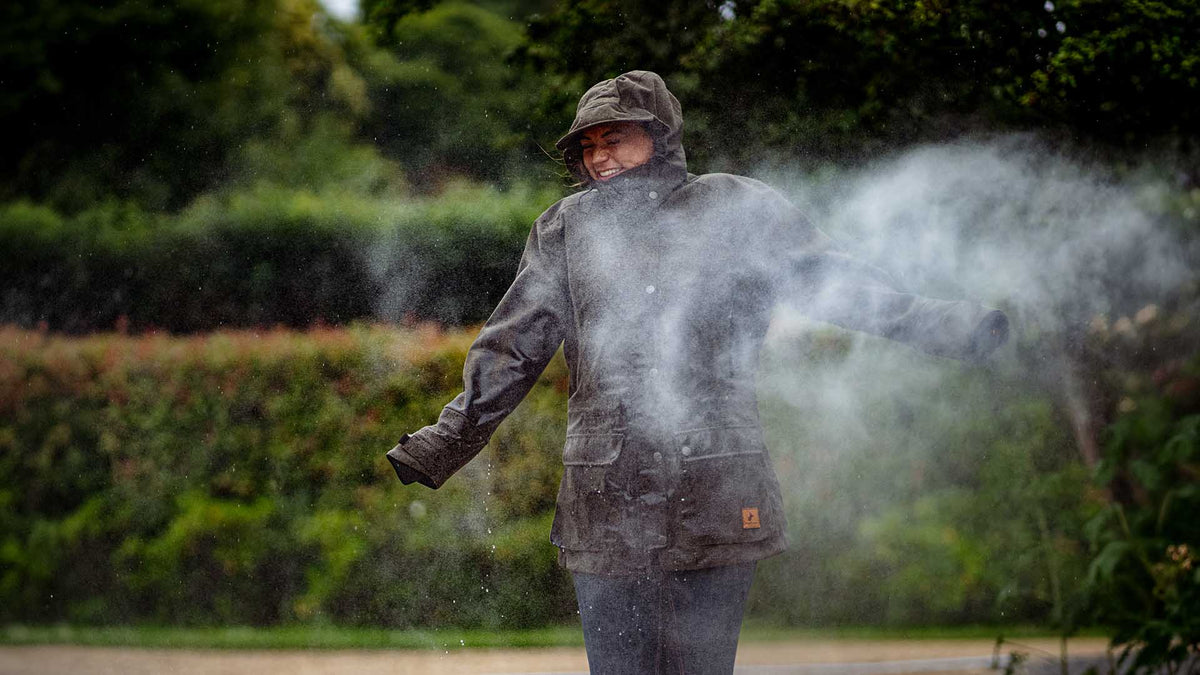
When shopping for outdoor clothing, you will often see waterproof ratings such as 5,000mm, 8,000mm or 10,000mm listed in the product specifications.
The basic rule appears simple: the higher the number, the more waterproof the fabric. However, that number is only one part of the story.
What does a 10,000mm waterproof rating actually mean? Is it enough for heavy rain? How does it differ from breathability? And why can two jackets with the same rating perform differently outdoors?
Here is a practical explanation of waterproof ratings—and what you should consider when choosing clothing for wet-weather use.
What is a waterproof rating?
A waterproof rating indicates how much water pressure a fabric can resist before moisture begins to pass through it.
It is usually measured using a hydrostatic head test. During the test, a piece of fabric is placed beneath a column of water. The water pressure is gradually increased until moisture begins to penetrate the material.
The height of the water column at that point determines the fabric’s rating.
A fabric rated to 10,000mm should therefore withstand the pressure created by a water column measuring 10,000 millimetres—or 10 metres—before water begins to pass through it under the test conditions.
This does not mean you can stand beneath 10 metres of rain. It is a laboratory measurement used to compare the water resistance of different fabrics under controlled conditions.
Is 10,000mm waterproof enough?
For most everyday outdoor activities, a 10,000mm rating provides a dependable level of protection.
It is generally suited to:
- Country walks
- Dog walking
- Farming and outdoor work
- Field sports
- Shooting and beating
- Bushcraft and woodland use
- Prolonged spells of rain
- Wet and windy autumn or winter conditions
A lower-rated garment may be adequate for light showers and occasional use. A much higher rating can be beneficial for particularly exposed conditions, specialist mountain activities or prolonged periods in extreme weather.
For general British country and outdoor use, however, 10,000mm offers a strong balance between weather protection, comfort and practicality.
Why does water pressure matter?
Rain does not always land gently on the surface of a garment. Pressure increases when the fabric is compressed or comes into contact with another surface.
This can happen when you:
- Sit or kneel on wet ground
- Lean against damp vegetation
- Carry a backpack with shoulder straps
- Push through wet undergrowth
- Rest your arms on a wet surface
- Experience wind-driven rain
- Wear tight-fitting clothing across certain areas
That additional pressure can encourage water through fabrics that cope perfectly well with a brief, light shower.
A higher hydrostatic head rating therefore becomes particularly useful when your clothing must handle more than rain falling onto a loose surface.
Waterproof and water-resistant are not the same
A water-resistant garment is designed to cope with light moisture or brief showers. It may use a tightly woven outer fabric or a surface treatment that causes water to bead and roll away.
A waterproof garment is constructed to prevent water from penetrating for a much longer period and under greater pressure.
Terms such as showerproof, water-repellent and water-resistant should not automatically be interpreted as fully waterproof.
If you regularly spend long periods outside in persistent rain, look for a clearly stated waterproof rating as well as information about the garment’s construction.
The fabric rating is only part of the garment
A 10,000mm rating usually refers to the fabric or waterproof membrane. For a finished garment to provide dependable protection, the rest of its construction must also manage water effectively.
Important details include:
Sealed seams
Every stitched seam creates tiny holes in the fabric. Waterproof garments commonly use taped or sealed seams to prevent water entering through the stitching.
A highly waterproof fabric will be much less effective if water can pass through unprotected seams.
Zips and storm protection
Front zips and pockets are potential entry points for water. Waterproof zips, protective storm flaps and carefully designed closures help reduce exposure.
Hood design
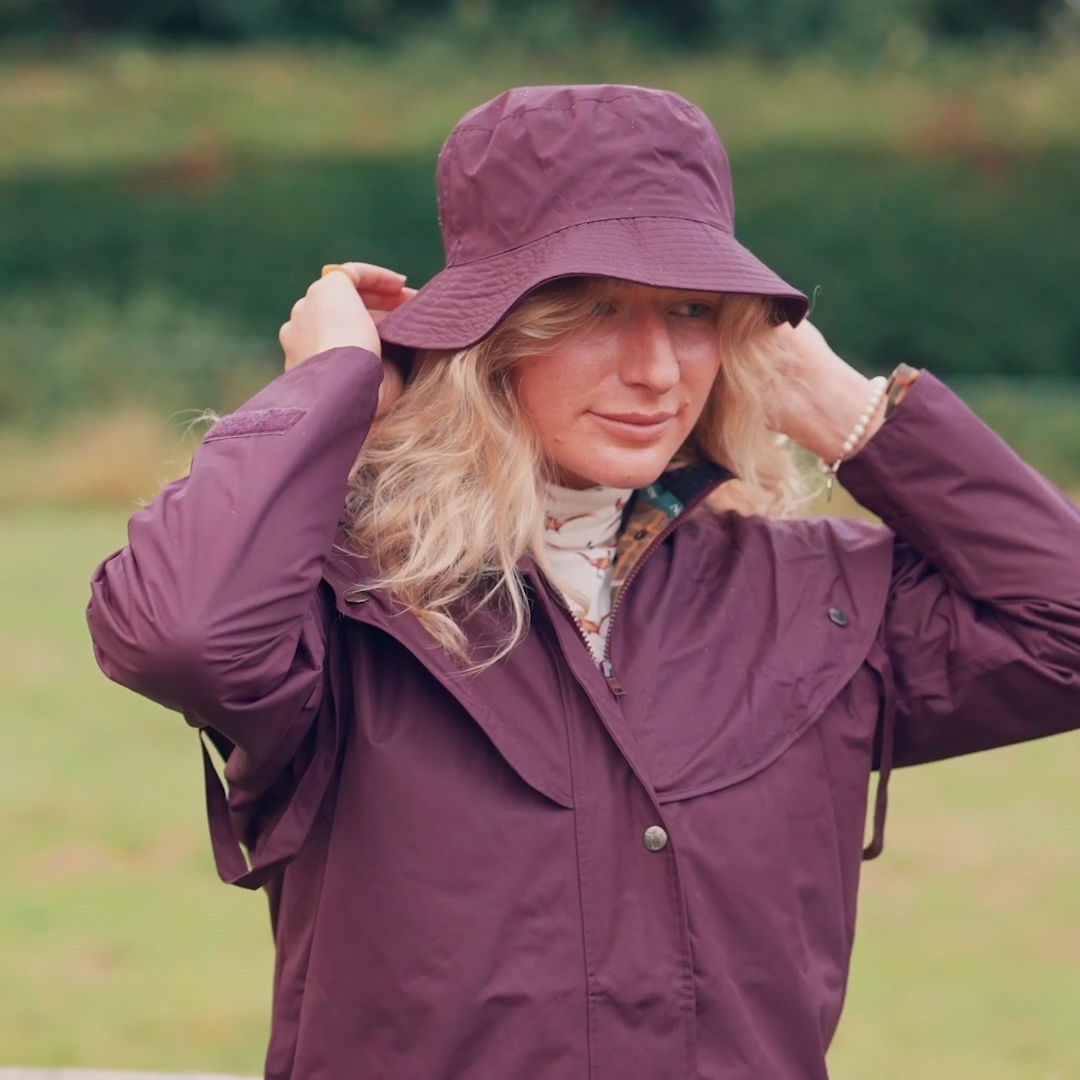
An adjustable hood with a shaped or peaked design can provide better protection around the head and face. The ability to adjust the hood also helps it remain secure in windy conditions.
Cuffs and hems
Adjustable cuffs and hems help prevent wind-driven rain from entering through openings. They also allow the wearer to adapt the fit around gloves, layers and footwear.
Pockets
Pocket openings, storm flaps and zip construction all influence how protected the contents will be in prolonged rain.
This is why it is important to assess the complete garment rather than choosing solely by the largest number on the label.
What is a DWR finish?
Many waterproof jackets also have a Durable Water Repellent, or DWR, finish applied to the outer fabric.
The DWR encourages water to bead on the surface and roll away rather than soaking into the face fabric.
This is different from the waterproof membrane. The membrane provides the primary barrier against water, while the DWR helps stop the outer material from becoming saturated.
Over time, dirt, wear and repeated use can reduce the performance of a water-repellent finish. Cleaning the garment according to its care instructions—and reproofing it when appropriate—can help restore its performance.
A jacket may still be waterproof if the outer fabric begins to absorb water, but it can feel heavier, colder and less breathable when the surface becomes saturated.
Waterproofing and breathability must work together
Keeping rain out is only half of the challenge. Outdoor clothing also needs to manage the heat and moisture produced by your body.
A waterproof garment with poor breathability may stop rain from entering but still leave you feeling damp from condensation and perspiration.
Breathability is particularly important during activities such as:
- Walking uphill
- Beating
- Working on the farm
- Gathering firewood
- Dog training
- Moving through dense undergrowth
- Carrying equipment
Breathability ratings are commonly expressed in grams per square metre over 24 hours, although different manufacturers and testing methods may present the figures differently.
As with waterproof ratings, the number should be treated as a useful comparison rather than a complete guarantee of how a garment will feel in every situation.
Ventilation still matters
Even a breathable waterproof garment can become warm during intense activity.
Features such as underarm ventilation zips, adjustable cuffs, two-way front zips and easy-to-open neck closures allow heat to escape more quickly.
Your clothing layers also matter. Wearing a breathable waterproof shell over several heavy or moisture-retaining garments can limit the benefits of the outer fabric.
For active outdoor use, choose adjustable layers and open the garment’s ventilation before you begin to overheat.
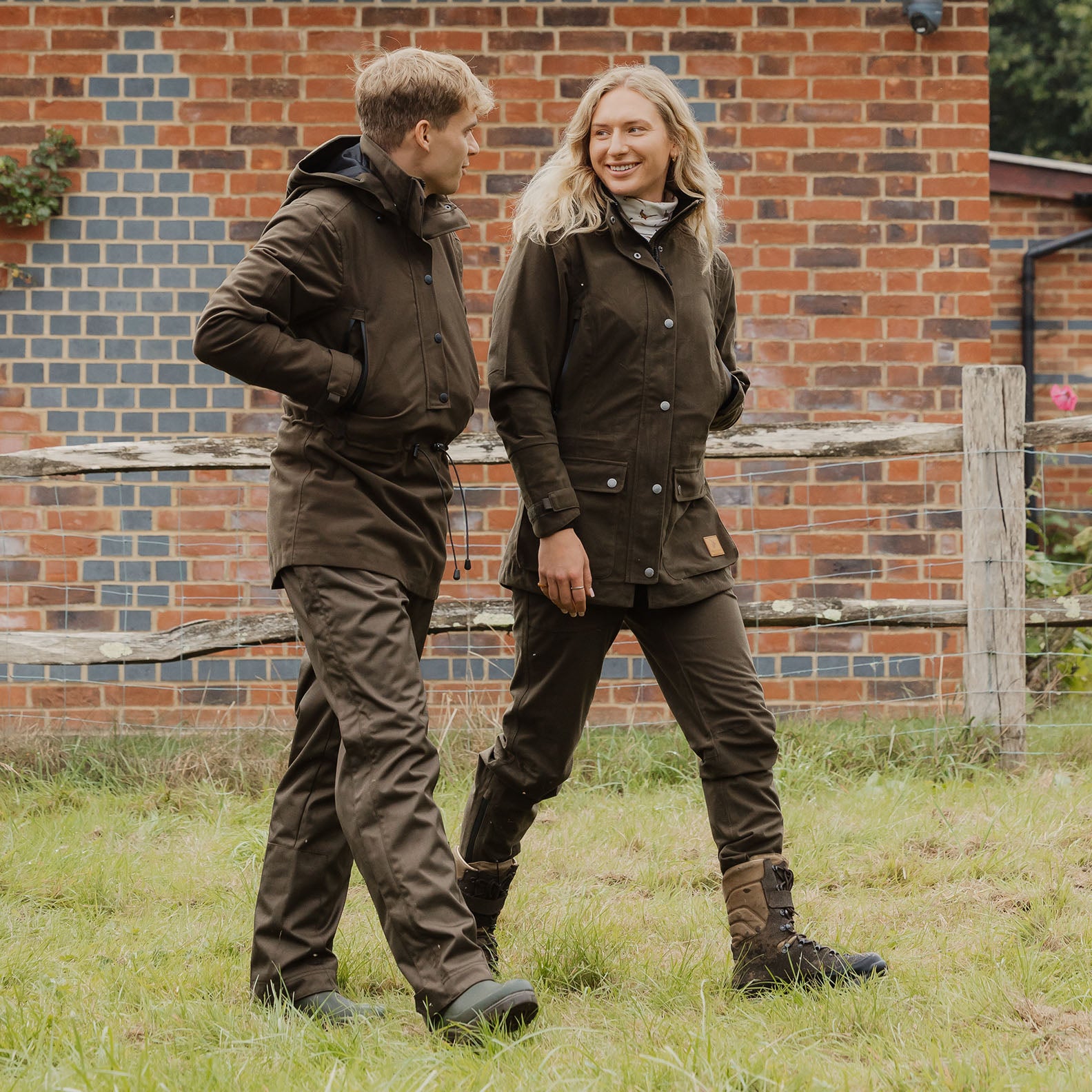
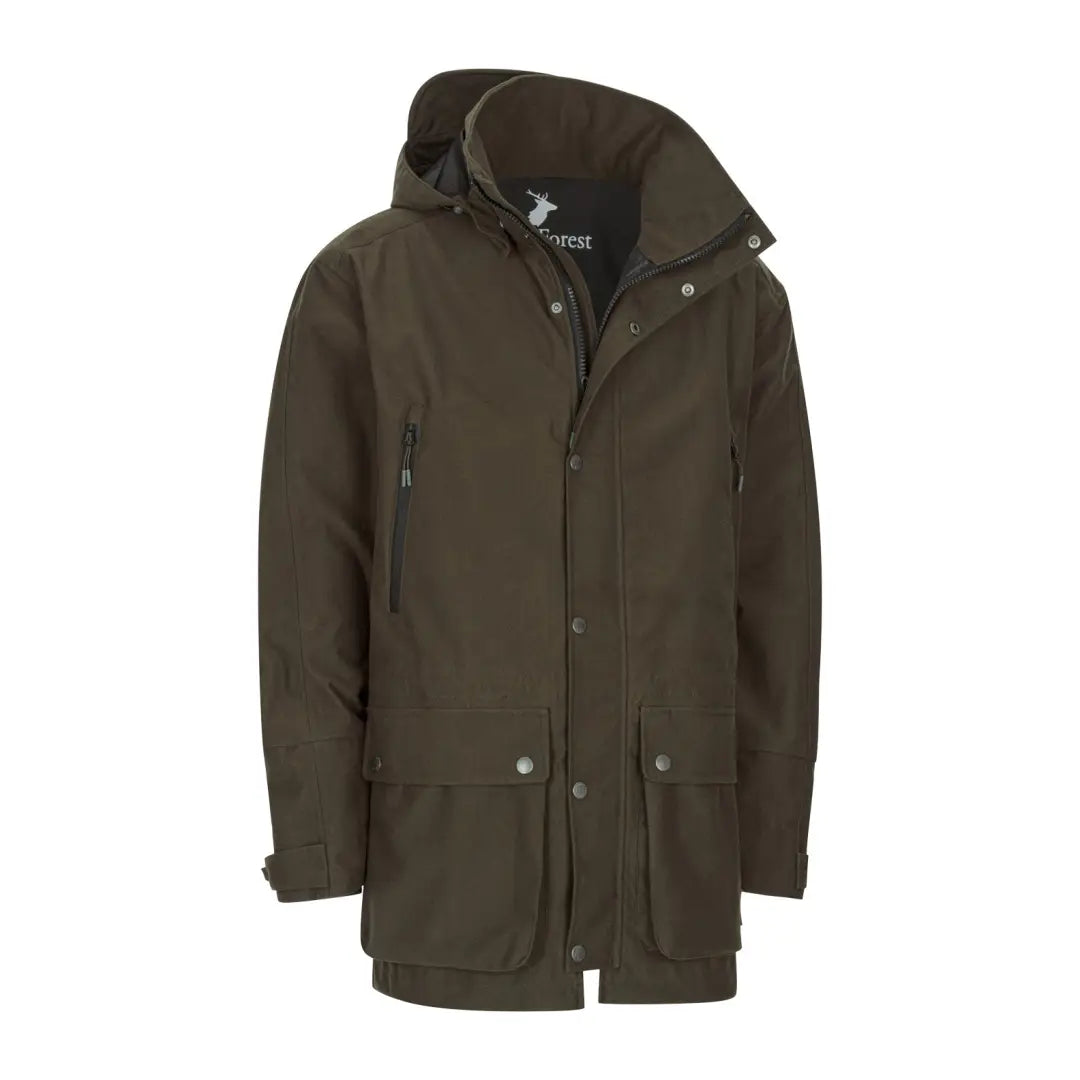
New Forest 10,000mm waterproof clothing
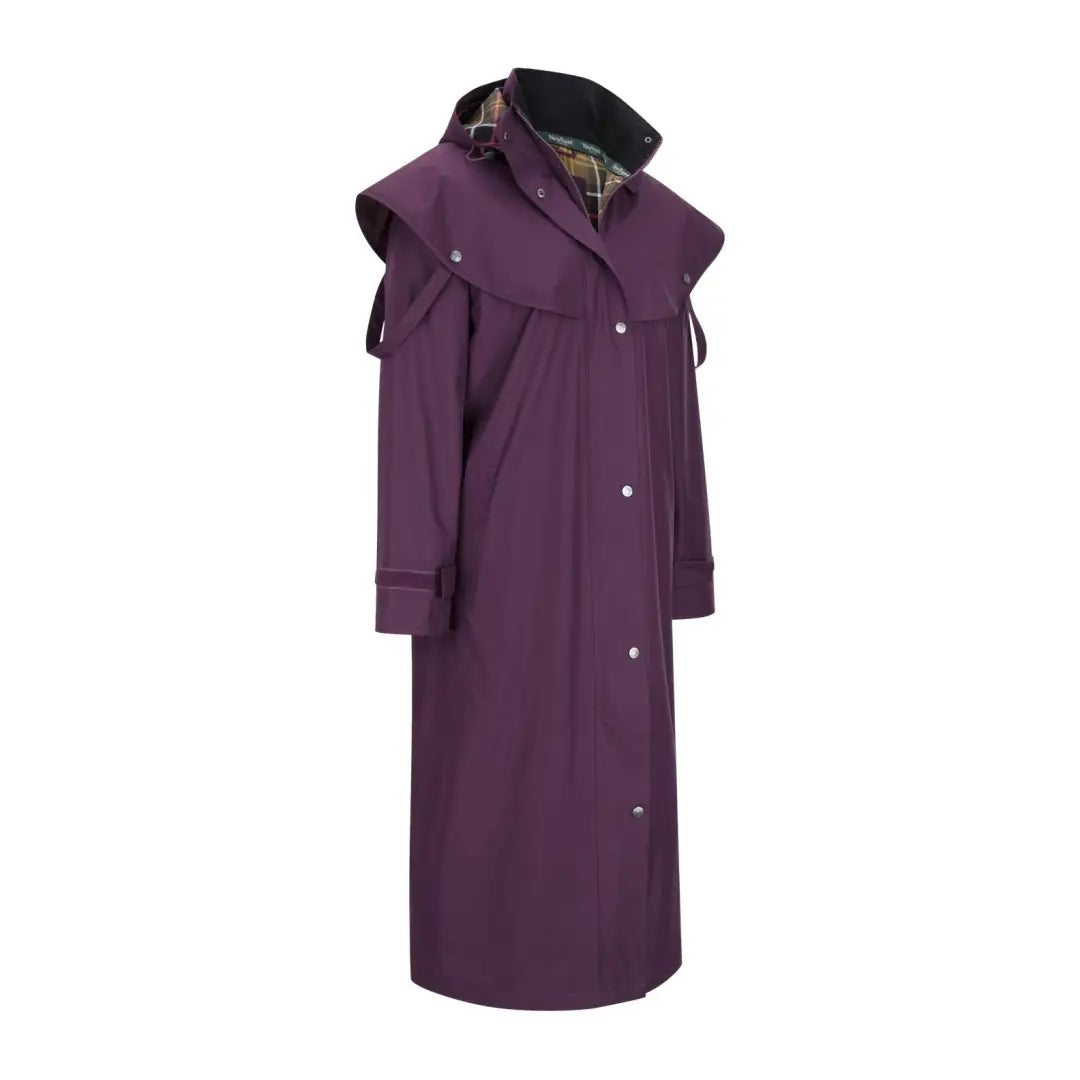
Several New Forest Clothing ranges offer a 10,000mm waterproof rating but are designed for different types of outdoor use.
New Forest Nightjar
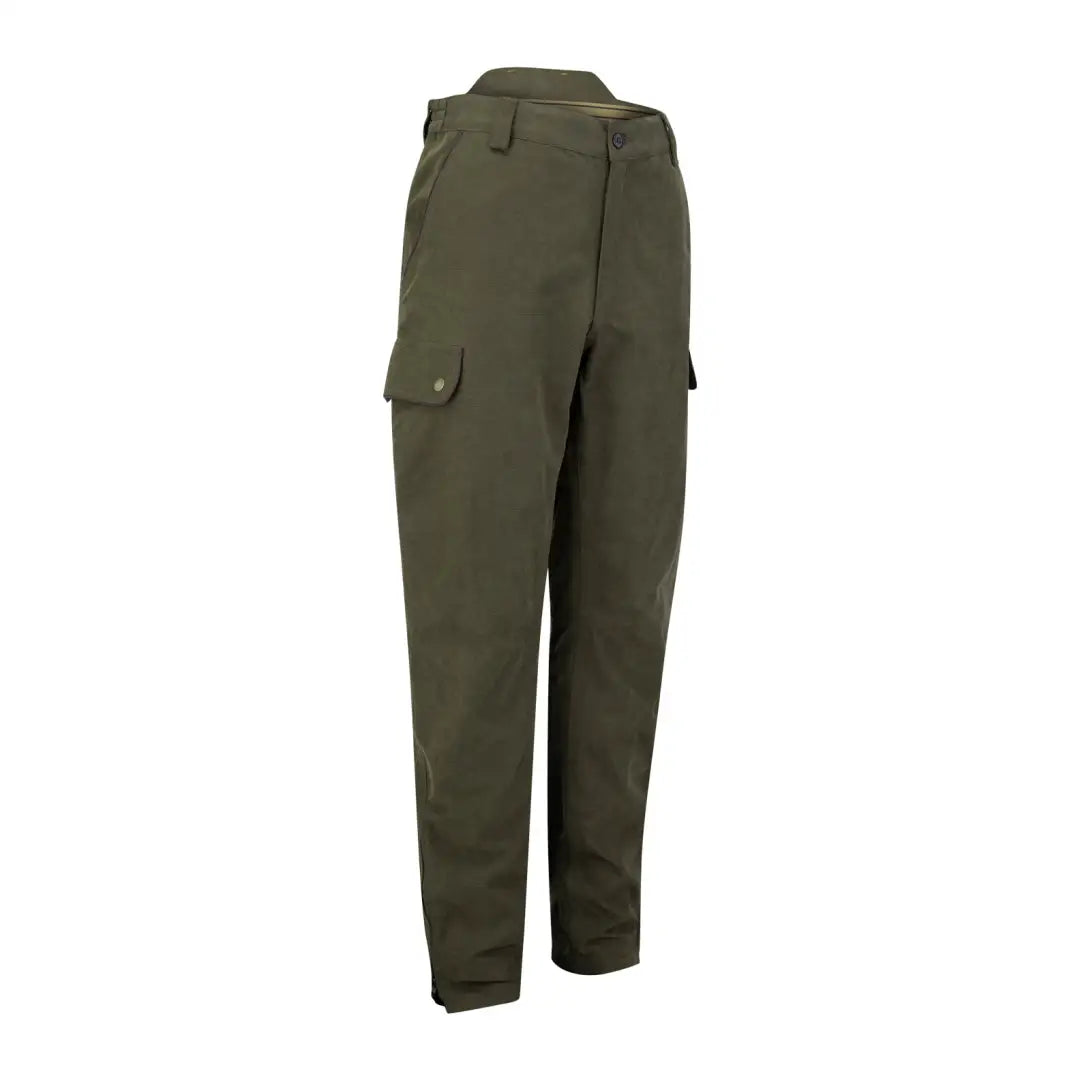
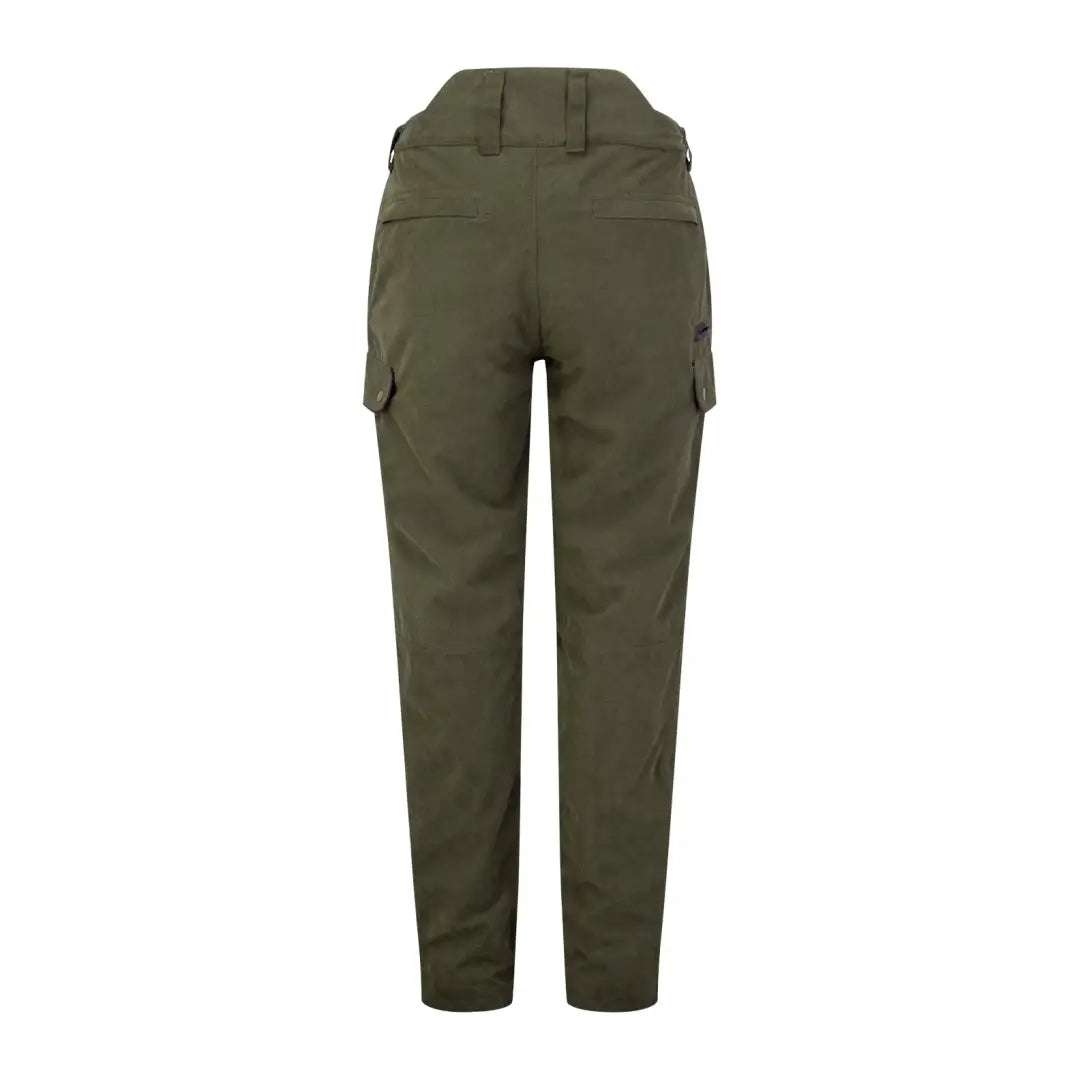
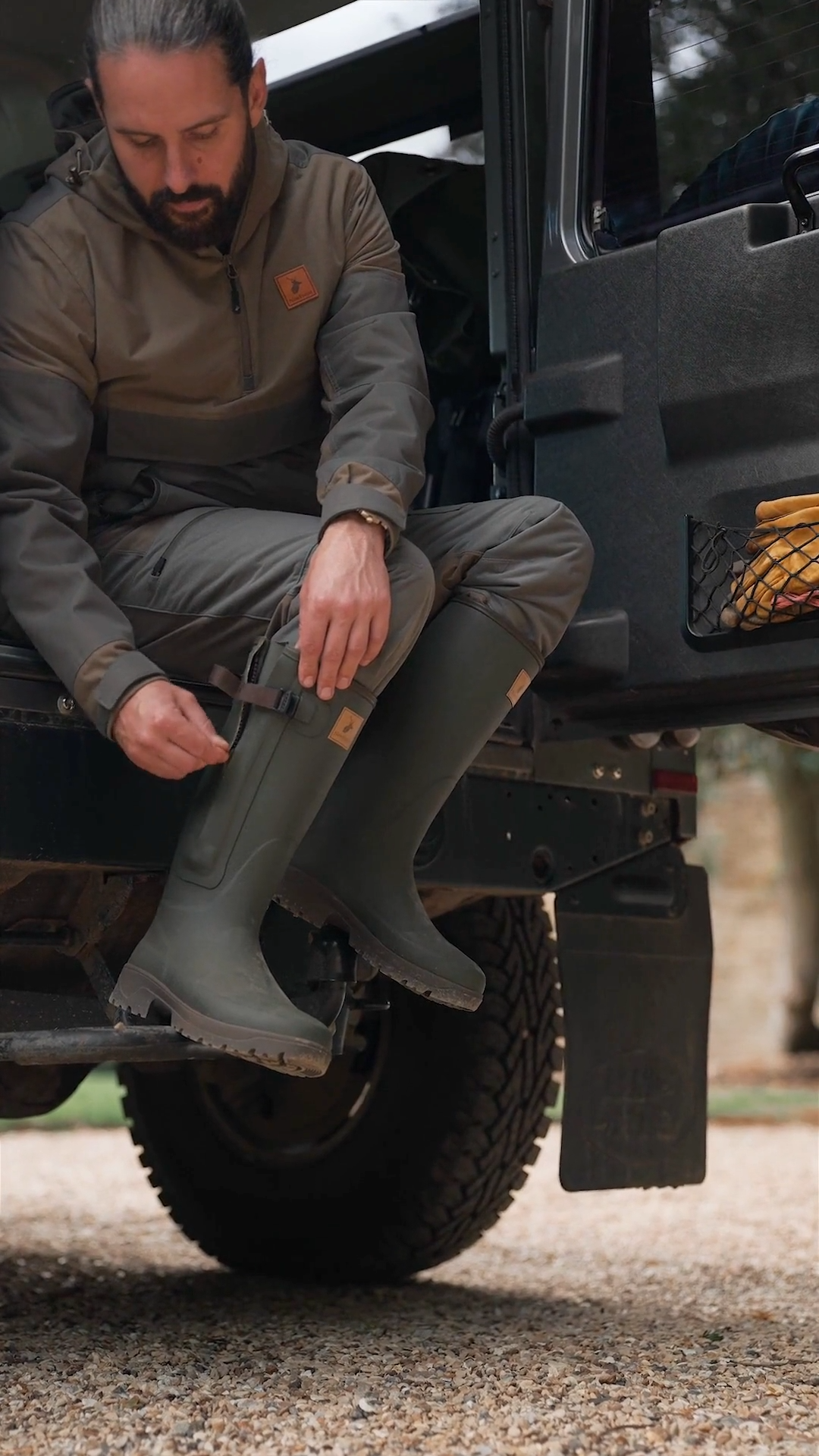
The New Forest Nightjar Smock and Trousers provide lightweight, non-insulated protection for wet and windy conditions.
With a 10,000mm waterproof rating and 5,000g/m²/24hrs breathability rating, the range is designed to be worn as a flexible outer layer. You can adjust the insulation underneath according to the season, temperature and activity.
The Nightjar is a practical choice for country walks, field use, dog walking, bushcraft and other activities where freedom of movement and adaptable layering are important.
New Forest Hawthorn
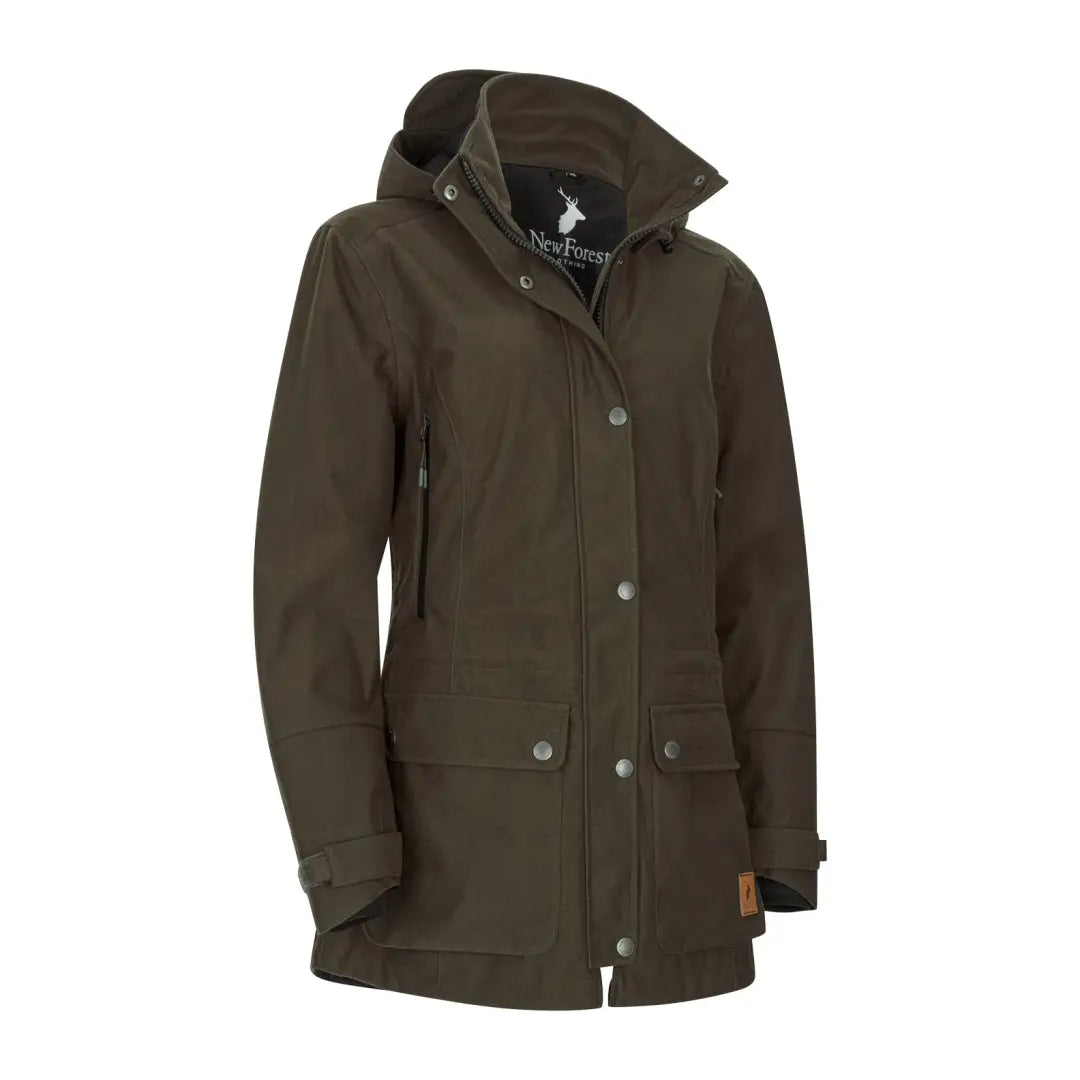
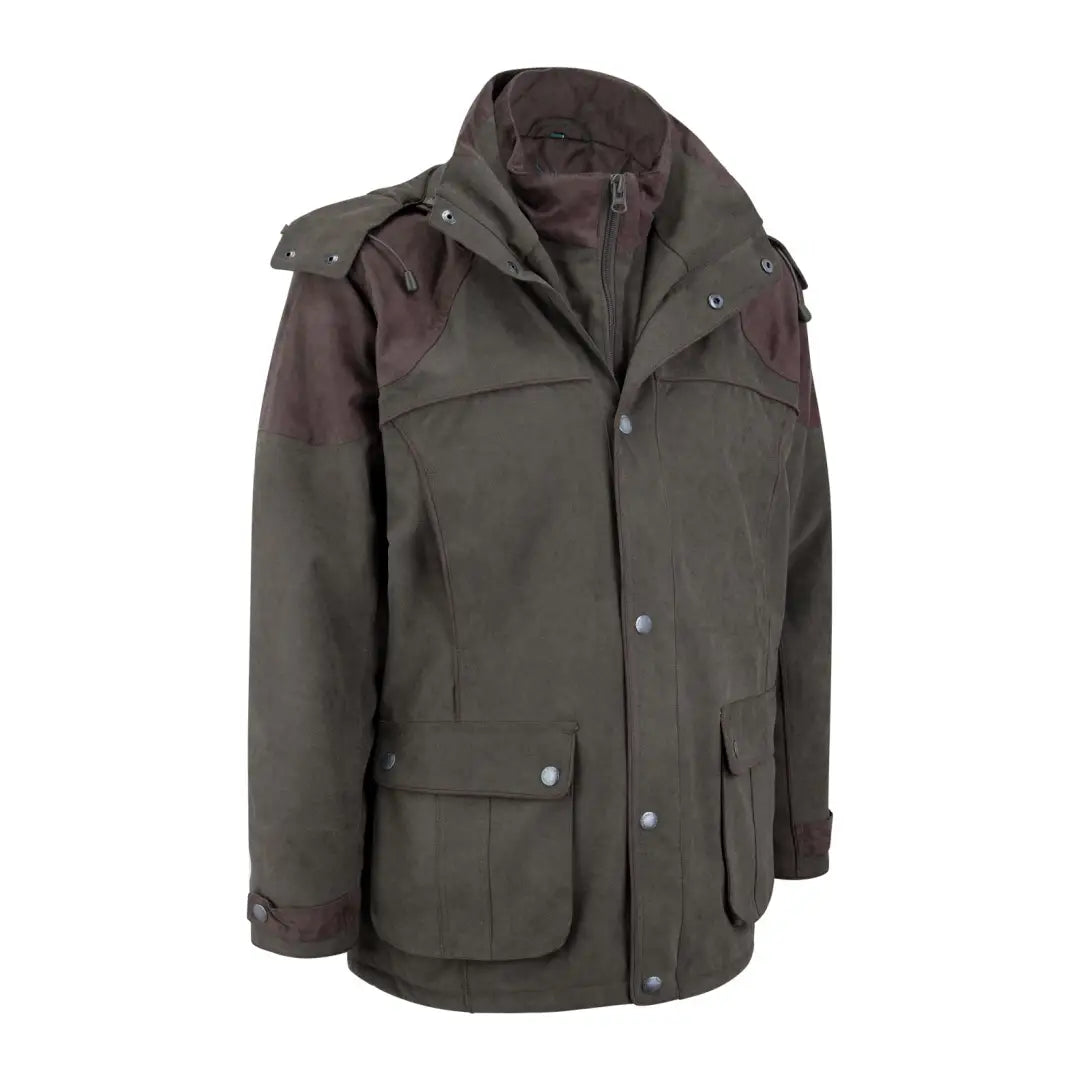
The New Forest Hawthorn range combines waterproof protection with a heavyweight ripstop construction designed for challenging country environments.
Reinforced areas, practical storage and features such as underarm ventilation make it particularly well suited to beating, outdoor work and movement through rough vegetation.
This is the range to consider when durability and resistance to everyday field wear are as important as protection from the weather.
New Forest Performance Field
The New Forest Performance Field range is designed for colder and more demanding field conditions.
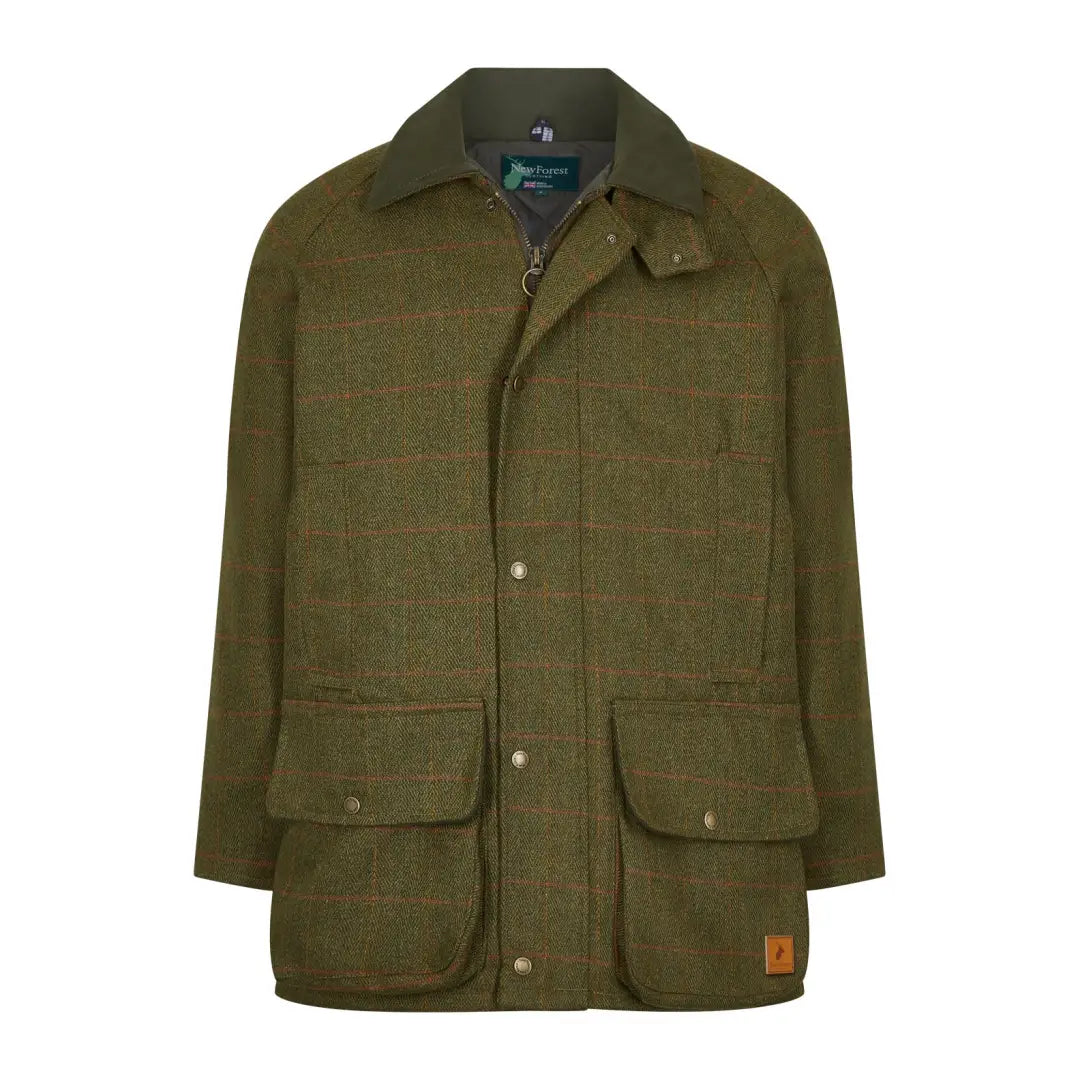
The Performance Field Coat has a 10,000mm waterproof rating and combines weather protection with greater warmth and an extensive range of practical field features. These include multiple pockets, fleece-lined handwarmers, underarm ventilation and a detachable game bag.
It is the warmest coat in the New Forest range, making it especially suitable for colder days, long periods outdoors and activities where you may spend more time standing still.
Which waterproof range is right for you?
The best choice depends on more than the waterproof rating.
Choose according to how and where you expect to use the garment:
- For lightweight, flexible protection: consider Nightjar
- For hard-wearing field use and rough cover: consider Hawthorn
- For colder conditions and greater warmth: consider Performance Field
All three ranges are designed to provide dependable weather protection, but each solves a different outdoor clothing problem.
Consider warmth, weight, durability, ventilation, pocket requirements and freedom of movement alongside the waterproof specification.
Looking after waterproof clothing
Correct care helps waterproof clothing continue performing effectively.
Always follow the instructions supplied with the garment, but general principles include:
- Remove mud and dirt regularly
- Avoid ordinary fabric softener
- Use an appropriate technical clothing cleaner where recommended
- Allow garments to dry properly before storage
- Check whether the DWR finish needs reactivating or renewing
- Inspect high-wear areas, zips and seams
- Store garments clean and dry
Using unsuitable detergents or fabric softener can affect water repellency and breathability, so it is worth checking the care label before washing.
Layer Up for Autumn: Pick Any 3 and Get 30% Off the RRP
If you are preparing for wetter and cooler conditions, our Layer Up for Autumn offer makes it easier to build a complete outdoor clothing system.
PICK ANY 3 AND GET 30% OFF THE RRP
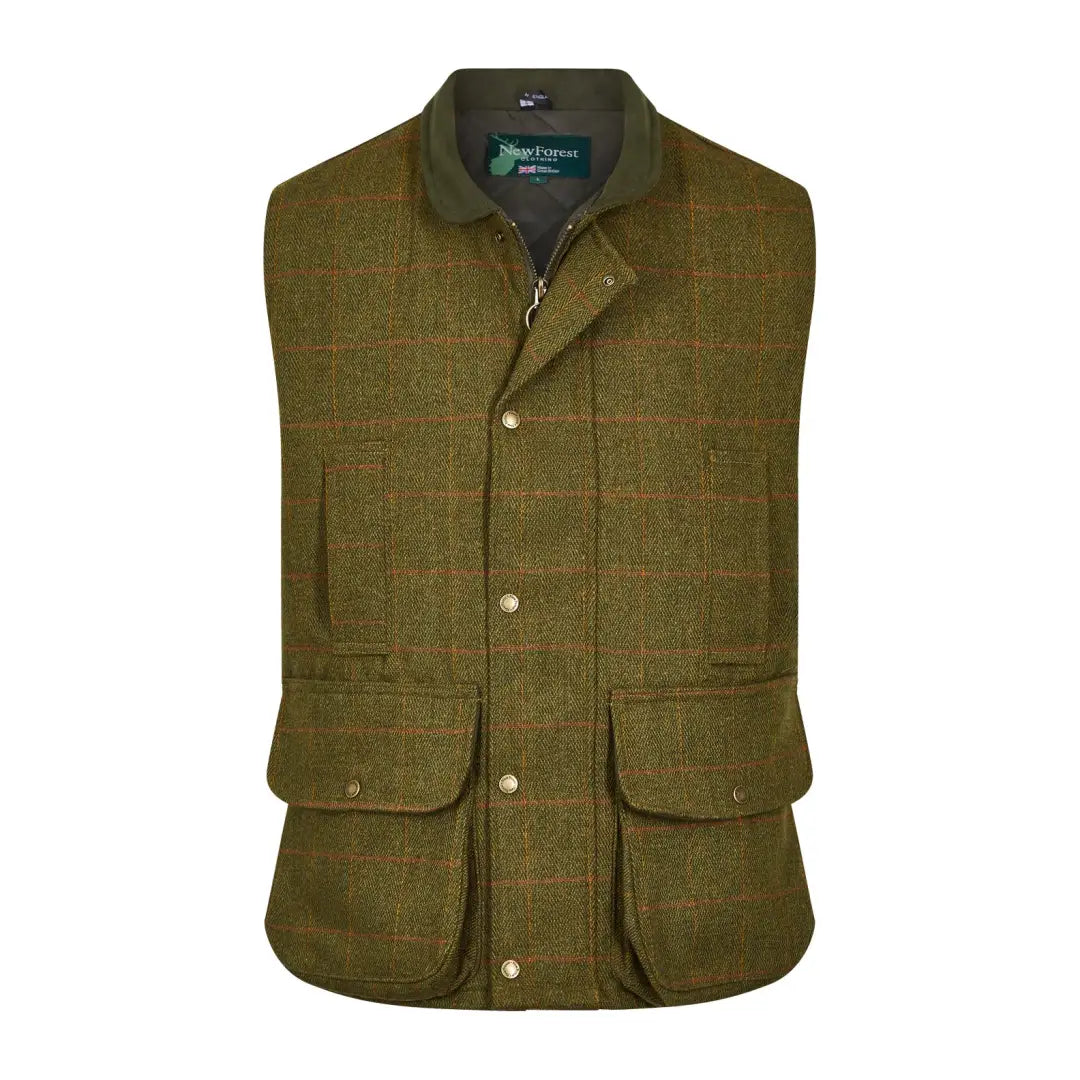
Mix and match qualifying products from across nearly everything New Forest, including:
- Waterproof coats and jackets
- Country shirts
- Outdoor trousers
- Fleeces and gilets
- Plus much more
You could combine a waterproof jacket with a fleece and pair of trousers, choose matching outerwear from one of our technical ranges, or select three practical essentials to suit your usual time outdoors.
The offer applies to qualifying products and is available for a limited time while stocks last.
Look beyond the number
A 10,000mm waterproof rating is a strong indication that a fabric is suitable for prolonged wet-weather use, but it should not be considered in isolation.
The garment’s breathability, seam construction, zips, hood, cuffs, ventilation and intended use all contribute to how well it performs outdoors.
The most suitable jacket is not necessarily the one with the highest number. It is the one that provides the right combination of protection, comfort, durability and warmth for the conditions you actually face.
Pick any three qualifying New Forest products and get 30% off the RRP during our Layer Up for Autumn event.
Order today while stocks last.
Shop 3 for 30% off at newforestclothing.co.uk/3-for-30



Share:
How to Layer Country Clothing for Autumn Without Overheating